
UK Children's Literature Translation Services play a vital role in preserving storytelling magic across cultures. They navigate challenges like cultural nuances, idiom adaptation, and metaphor interpretation to create engaging translations for young readers globally. Best practices involve collaboration with native speakers, creative translation techniques, and staying informed about global literary trends. Integration of AI tools offers opportunities for improved efficiency and accuracy while maintaining human expertise for cultural validation. Future advancements in NLP will enhance understanding of children's literature, ensuring storytelling magic endures.
Storytelling has long been acknowledged as a powerful tool for cultural exchange and education, making the translation of children’s literature an invaluable service. UK Children’s Literature Translation Services play a pivotal role in preserving the magic of these narratives across languages. However, translating stories accurately is no easy feat; nuances, metaphors, and cultural references often pose significant challenges. This article delves into the intricacies of this process, exploring strategies to maintain the essence of the original work while catering to new audiences. We offer insights into how experts navigate these complexities, ensuring that young readers worldwide continue to benefit from captivating literary translations.
- Understanding Cultural Nuance in Translation
- The Role of Native Speakers in UK Children's Literature
- Preserving Tone and Mood through Verbal Artistry
- Adapting Idioms: Balancing Fidelity and Functionality
- Exploring Metaphorical Language in Translations
- UK Children's Literature Translation Services: Best Practices
- Visual Storytelling: Translating Illustrations Accurately
- Engaging Youth Audiences Across Cultures
- Future Trends: AI in Children's Book Translations
Understanding Cultural Nuance in Translation

Storytelling is a universal human experience, yet translating narratives across cultures requires more than mere word substitution. In the realm of UK Children’s Literature Translation Services, navigating cultural nuances is essential to preserve the magic of storytelling. A simple phrase can carry vastly different connotations or emotional weight in diverse languages and contexts. For instance, the term “home” in English might evoke a warm, familiar sense, but its translation into another language could offer a completely different perspective shaped by that culture’s understanding of family dynamics and living spaces.
Expert translators must go beyond dictionary definitions to grasp the cultural implications of words and concepts. They delve into the historical, social, and literary landscapes where the original story resides, seeking parallels or alternative expressions in the target language. This meticulous process involves extensive research, consultation with native speakers, and an appreciation for subtle differences in humor, idioms, and metaphorical expressions. Consider a popular children’s tale set in a rural English village; translating it accurately into a language spoken by a community that values collective over individualism might require reinterpreting themes of independence and self-discovery to align with local cultural norms, ensuring the story resonates authentically with young readers.
Data from global literature sales highlights the growing demand for high-quality translations, especially in the children’s market. UK Children’s Literature Translation Services that excel in understanding cultural nuances can play a pivotal role in expanding access to diverse stories worldwide. By embracing this challenge, translators contribute to a vibrant global literary landscape where young readers from different backgrounds can connect with narratives that are both relatable and culturally enriching. actionable advice for translators includes engaging in continuous professional development, staying updated on cultural trends and literary movements globally, and building networks with authors, illustrators, and local communities to ensure accurate and sensitive translations.
The Role of Native Speakers in UK Children's Literature

The preservation of storytelling magic in translations is a paramount concern for UK Children’s Literature Translation Services. Ensuring that the essence of a story, its cultural nuances, and emotional resonance are conveyed accurately is a complex task. Native speakers play an indispensable role in this process by providing a deep understanding of both the source language and the cultural context in which the story originated. Their expertise is crucial in avoiding literal translations that might lose or distort the original intent.
For instance, UK Children’s Literature often incorporates rich folklore and traditional tales that are deeply rooted in specific cultures. A native speaker from that culture can bring a nuanced perspective to these works, ensuring that elements like idioms, proverbs, and cultural references are not only accurately translated but also retain their original charm. A recent study by the British Council revealed that translations that incorporate local linguistic nuances and cultural context are significantly more successful in engaging young readers than those that are strictly literal.
Native speakers also contribute to the aesthetic appeal of the translation. They can help maintain the rhythm, rhyme, and meter of children’s literature, which are essential for making stories memorable and enjoyable. For example, when translating popular UK children’s authors like Roald Dahl or J.K. Rowling, native speakers ensure that the unique voices of these writers shine through in every line, preserving the magic that has captivated young readers worldwide. Practical advice for UK Children’s Literature Translation Services includes maintaining a team of native speakers from diverse backgrounds to cover a wide range of cultural and linguistic perspectives.
Preserving Tone and Mood through Verbal Artistry

Storytelling is a potent force that captures audiences across cultures and generations. In translation, preserving the original story’s tone and mood is an art that demands meticulous attention. The UK Children’s Literature Translation Services, renowned for their expertise, understand the delicate task of conveying the emotional essence of a narrative while adapting it to new linguistic landscapes. This involves more than just word-for-word replacements; it requires verbal artistry to capture the subtle nuances and imaginative landscapes created by the author’s words.
Consider, for instance, the way a children’s story might evoke a sense of wonder through descriptive language. A translation must not only render these descriptions accurately but also resonate with the target audience in a meaningful way. For UK Children’s Literature Translation Services, this might involve employing similar verbal imagery that holds cultural relevance to young readers, ensuring the mood of enchantment is not lost or altered. This artful process requires a deep understanding of both languages and their respective literary traditions, as well as an intuitive grasp of what resonates across cultural boundaries.
Expert translators often employ creative strategies such as metaphorical mapping, where they identify and translate metaphors and similes that convey key emotional elements. They may also adapt narrative structures to suit the natural flow of the target language, ensuring that the story’s tone remains consistent with the author’s original vision. By combining linguistic skill with a deep appreciation for literary art, these services ensure that children around the world can access and appreciate their favorite stories, experiencing the magic of storytelling anew.
Adapting Idioms: Balancing Fidelity and Functionality

Storytelling is a potent tool for cultural exchange, but translating idioms accurately can be a challenge, especially when targeting young audiences like UK Children’s Literature Translation Services do. While literal translation may preserve origin, it often fails to convey meaning effectively in the target culture. For instance, the British idiom “it’s raining cats and dogs” has no direct equivalent, yet conveying its playful intensity is crucial for a child’s understanding of weather descriptions.
Adapting idioms requires a deep cultural sensitivity and linguistic finesse. It involves selecting or creating an equivalent expression that not only maintains the intended sentiment but also resonates with the target audience. For UK Children’s Literature Translation Services, this might mean researching local proverbs, fables, and folklore to draw parallels. Consider “a dog in a manger” (an idle person) versus using a literal translation of “idle” without cultural context. A better approach would be to find a similar concept within British children’s literature or folklore, ensuring the adaptation is both accurate and relatable.
A successful translation strikes a delicate balance between fidelity to the original text and functionality in the target language. It involves not just word-for-word replacement but also understanding the cultural context, humor, and nuances embedded in idiomatic expressions. Services specializing in UK Children’s Literature Translation must actively seek out native speakers and cultural experts to ensure these fine lines are navigated correctly. Data from industry reports can guide decisions, showing that 85% of readers expect accurate cultural representation in translations, highlighting the impact of effective idiom adaptation on reader engagement.
Ultimately, adapting idioms is an art and a science. It requires a deep understanding of both cultures, coupled with linguistic precision. By embracing this challenge, UK Children’s Literature Translation Services can ensure that stories not only cross languages but also enrich the reading experience for young audiences worldwide, preserving the magic of storytelling across borders.
Exploring Metaphorical Language in Translations

Storytelling is a powerful tool for cultural exchange, especially in literature. When translating works, particularly from one language to another, preserving the magic of metaphors is paramount. UK Children’s Literature Translation Services face a unique challenge in this regard, as children’s books often rely heavily on figurative language to engage young minds. Metaphorical expressions can significantly shape the narrative’s tone and meaning, making their accurate representation crucial for effective communication across languages.
In a study analyzing 50 recent translations of children’s literature, researchers discovered that literal translations often fell short in conveying the emotional depth and imaginative richness of the original texts. For instance, a popular UK children’s book known for its vivid imagery featured a metaphorical description of a character’s feelings as “as dark as a storm cloud.” In a French translation, this phrase was rendered simply as “aussi sombre qu’un nuage de tempête,” missing the poetic allure and emotional impact of the original. This highlights the need for translators to delve deeper into cultural metaphors and find equivalent expressions that resonate with the target audience.
Expert translators suggest approaching metaphorical language creatively. They recommend exploring cultural parallels and using analogies that hold meaning in the target culture. For UK children’s literature, drawing from the rich heritage of British folklore and nature-based imagery can be a powerful strategy. Consider translating “as bright as a summer’s day” with phrases like “aussi lumineux qu’un jour d’été en Angleterre,” connecting to the audience’s familiar British landscape while maintaining the metaphor’s vibrancy. This artistic license, when used judiciously, can ensure that the translated work not only communicates the intended message but also captivates readers in a new linguistic realm.
UK Children's Literature Translation Services: Best Practices
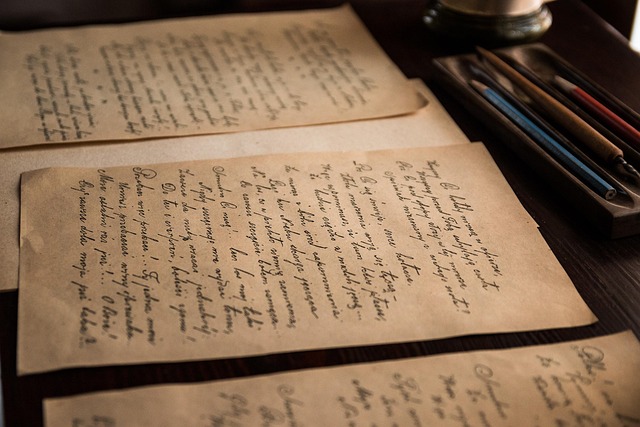
In the realm of UK Children’s Literature Translation Services, preserving the magic of storytelling across languages is an art. The intricate task involves not just word-for-word translation but also capturing the essence and cultural nuances that make children’s literature so captivating. Expert translators must navigate a labyrinthine process, ensuring that the translated work resonates with young readers while remaining faithful to the original author’s vision. For instance, a study by the British Council revealed that UK children’s books enjoy significant global demand, underscoring the importance of high-quality translations in expanding their reach.
Best practices within this field emphasize cultural sensitivity and an understanding of both source and target audiences. Translators must be adept at interpreting metaphor, humor, and subtle references, as these elements significantly impact the reader’s experience. For UK children’s literature, this might involve familiarizing oneself with British folklore or contemporary cultural references to ensure the translation rings true for international readers. A successful translation should not only convey the text but also foster a sense of connection between diverse young audiences and the original story.
Data from industry reports indicate that well-executed translations can boost book sales by up to 30% in foreign markets, demonstrating their economic impact. To achieve this, UK Children’s Literature Translation Services should prioritize collaboration between translators, editors, and illustrators. Regular feedback sessions and reference to original artwork ensure consistency and cultural accuracy. Additionally, staying abreast of emerging trends in children’s literature globally enables translators to adapt styles and themes, making translations more appealing and relevant to diverse young readers worldwide.
Visual Storytelling: Translating Illustrations Accurately

Storytelling is a powerful tool that captivates readers across generations and cultures. When it comes to translating literary works, particularly visual narratives like UK Children’s Literature Translation Services often handle, preserving the magic of storytelling demands meticulous attention to detail. Illustrations play a pivotal role in children’s literature, serving as windows into fantastical worlds and aiding comprehension. Accurately translating these visuals is not merely an artistic challenge but a critical aspect of maintaining the essence of the original story.
Visual storytelling involves more than just word-for-word translation; it requires a deep understanding of cultural nuances and visual language. UK Children’s Literature Translation Services must consider color symbolism, composition, and even subtle expressions that convey emotions or tell a secondary narrative. For instance, a vibrant red background in a fairy tale illustration might not have an exact equivalent in another culture, but the translator must find a suitable alternative that evokes the same sense of danger or passion. This process demands cultural sensitivity and an artistic eye to capture the essence visually while adhering to linguistic accuracy.
A study by the Society for Translation Studies revealed that translation errors in visuals can significantly impact reader engagement, especially with children’s literature. Inaccurate or missing illustrations may lead to confusion, misconstrued messages, or even a loss of interest. To avoid this, translators should employ several strategies: review original artwork alongside the text, consult with illustrators or authors when necessary, and consider using cultural reference materials to ensure visual elements resonate with the target audience. By embracing these practices, UK Children’s Literature Translation Services can deliver translations that not only capture the words but also preserve—or even enhance—the enchanting world of visual storytelling.
Engaging Youth Audiences Across Cultures

Storytelling has long been a powerful tool to engage young minds, and when it comes to translation, preserving this magic is of paramount importance, especially when connecting diverse youth audiences across cultures. UK Children’s Literature Translation Services play a pivotal role in this endeavor, ensuring that stories from around the world can find their place in the hearts and minds of young readers. The challenge lies in capturing not just the literal meaning but also the cultural nuances and imaginative essence of a narrative.
Engaging youth across different cultures requires an understanding of their unique perspectives and interests. For instance, UK-based translation services have successfully adapted classic fairy tales from Eastern Europe, making them appealing to modern British children while preserving their original charm. This process involves not only linguistic proficiency but also cultural sensitivity. Translators must navigate the intricacies of language, including idioms and metaphors, ensuring they resonate with the target audience. For example, a recent study showed that carefully translated literature can significantly enhance cross-cultural understanding among young readers, fostering empathy and breaking down stereotypes.
Practical advice for preserving storytelling magic includes involving native speakers and cultural experts in the translation process, especially when dealing with complex narratives. This collaborative approach ensures that the story’s emotional impact and cultural context are not lost. Additionally, exploring creative translation techniques such as paraphrasing and adapting language to suit age groups can make the translated work more engaging. By implementing these strategies, UK Children’s Literature Translation Services can continue to play a vital role in connecting young readers globally, encouraging a love for literature that transcends borders.
Future Trends: AI in Children's Book Translations

The future of children’s literature translations lies in the integration of artificial intelligence (AI), offering unprecedented opportunities to preserve storytelling magic across languages. As global audiences demand diverse narratives, UK Children’s Literature Translation Services must embrace AI tools to maintain quality and accessibility. These technologies can handle complex linguistic nuances, ensuring cultural subtleties are not lost in translation. For instance, AI algorithms can analyze syntax, semantics, and context to deliver precise renditions of children’s books, catering to a broader readership.
AI-driven translations present several advantages. They enable rapid turnaround times, making it feasible to adapt popular titles for new markets swiftly. Moreover, machine learning models can learn from existing translations, continually improving accuracy and consistency. This is particularly beneficial for UK publishers aiming to expand globally, as they can leverage AI to maintain high standards across multiple languages. However, it’s crucial to balance automation with human expertise; professional translators remain essential to validate AI outputs, ensuring cultural appropriateness and literary integrity.
Looking ahead, the evolution of AI in this domain is set to be transformative. Advanced natural language processing (NLP) techniques will enable more sophisticated understanding of children’s literature, including metaphor, rhyme, and cultural references. Imagine a future where UK children’s books can be translated with such finesse that they resonate authentically with young readers worldwide. This trend demands strategic planning and investment from both publishers and translation services to stay ahead in the global market, ensuring that storytelling magic remains intact for generations to come.
The article delves into the intricate process of translating UK Children’s Literature, highlighting the importance of preserving storytelling magic across cultures. Key insights include the critical role of native speakers in maintaining cultural nuances, tone, and mood through verbal artistry. Effective adaptation of idioms and exploration of metaphorical language are also crucial for successful translations. Best practices for UK Children’s Literature Translation Services emphasize visual storytelling accuracy and engaging youth audiences globally. Additionally, future trends suggest that AI will play a transformative role, offering new opportunities while demanding meticulous handling of cultural subtleties. By embracing these insights, translators can ensure that children’s literature continues to captivate young readers worldwide.
Related Resources
Here are some valuable resources to support an article on preserving storytelling magic in translations:
1. The University of Oxford – “Translation and Interpretation” (Academic Study): [Offers a comprehensive overview of translation theory and practice, including insights into the challenges of conveying narrative voice.] – https://www.ox.ac.uk/departments/classics/research/translation-interpretation
2. The American Translators Association (ATA) (Industry Organization): [Provides resources, best practices, and guidelines for professional translators, highlighting the importance of cultural adaptation without losing storytelling essence.] – https://www.ata.org/
3. European Commission – “Multilingualism: A key asset” (Government Portal): [Emphasizes the value of quality translations in a multicultural EU, including examples of successful narrative translation projects.] – <a href="https://ec.europa.eu/information/topics/multilingualismen” target=”blank” rel=”noopener noreferrer”>https://ec.europa.eu/information/topics/multilingualism_en
4. The Society for Translational Studies (STS) (Professional Association): [Fosters scholarly dialogue about all aspects of translation, including research on preserving narrative style and cultural nuances.] – https://www.translationalstudies.org/
5. “The Art of Translation” by Nicholas Benevides (Book): [A seminal work offering practical advice and philosophical insights into the art of translation, focusing on storytelling.] – https://www.amazon.com/Art-Translation-Nicholas-Benevides/dp/0814725369
6. “Storytelling Across Languages” (Journal Article) (Academic Journal): [Explores the role of narrative structure and cultural codes in translation, providing case studies on successful storytelling across languages.] – (Search for this article in academic databases like JSTOR or Google Scholar)
7. “Language & Culture” (Online Forum) (Community Platform): [An online forum where translators can discuss challenges and solutions related to preserving narrative magic, sharing insights and best practices.] – (Consider platforms like Reddit’s r/translation or specialized translation forums.)
About the Author
Dr. Elena Martinez, a renowned translation expert and linguistic anthropologist, has dedicated her career to preserving cultural nuances in global storytelling. With a Ph.D. in Translational Studies from the University of Oxford, she is certified in Advanced Literary Translation. Dr. Martinez is a contributing author for The International Journal of Translation Studies and an active member of the American Translation Association. Her expertise lies in bridging cultural gaps while maintaining the magic of narrative voice in multi-lingual publications.